
The Eames office chair is one of the most iconic pieces of furniture in modern office design. Known for its combination of style, comfort, and durability, it has become a staple in many workspaces around the world.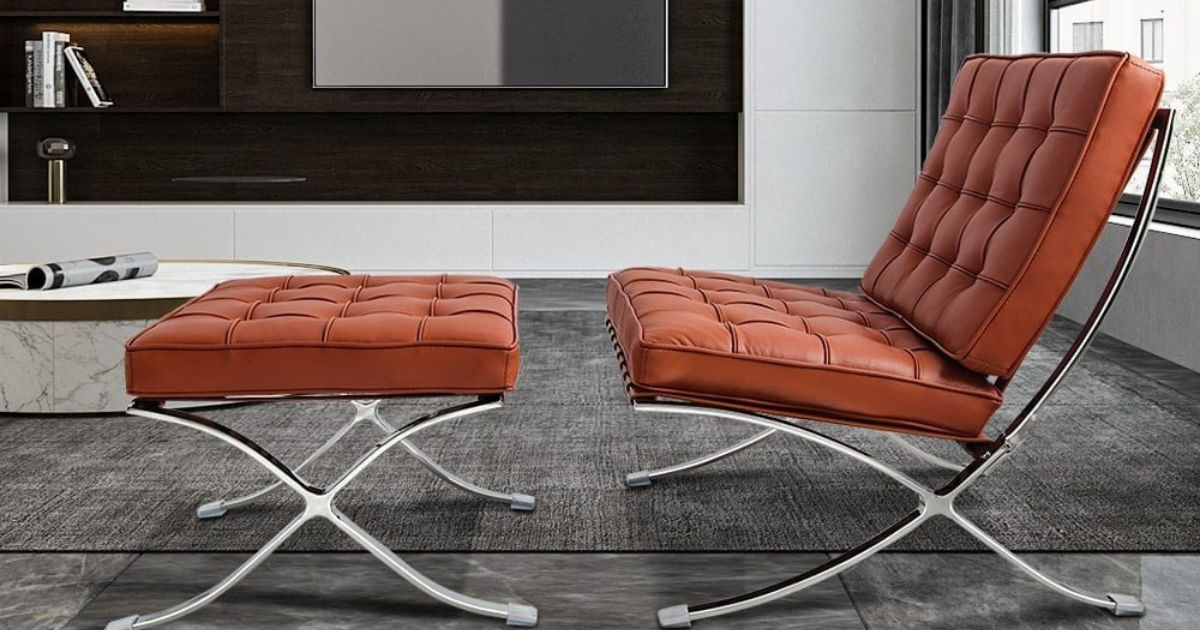
However, even high-quality chairs like the Eames office chair are not immune to wear and tear. One of the most common issues that users face is cushion deterioration. Replacing the cushions at the right time is essential to maintain comfort, posture, and the longevity of your chair.
In this guide, we will explore the signs that your Eames office chair cushions need replacing, the different types of cushions available, and how to properly care for your chair to maximize its lifespan.
By the end, you will have a clear understanding of when and how to replace your cushions, ensuring your workspace remains both stylish and ergonomic.
Understanding the Eames Office Chair
Before diving into cushion replacement, it is important to understand what makes the Eames office chair unique. Designed by Charles and Ray Eames in the mid-20th century, this chair combines molded plywood or aluminum frames with high-quality leather or fabric cushions. Its ergonomic design is intended to provide maximum support while reducing strain during long hours of sitting.
The chair’s cushions are not just for comfort—they play a vital role in maintaining proper posture. Over time, however, even the best cushions lose their shape and support, which can lead to discomfort or even back pain. Knowing when to replace them is key to preserving both comfort and functionality.
Signs You Need to Replace Your Eames Office Chair Cushions
Recognizing when cushions need replacement is the first step in maintaining your Eames office chair. Here are some common indicators:
1. Visible Wear and Tear
One of the most obvious signs is visible wear. Cracks, rips, or thinning of the material indicate that the cushions are no longer providing the intended comfort. Leather cushions may develop cracks or fade, while fabric cushions may become threadbare or stained.
2. Loss of Support
Even if the cushion looks fine on the surface, it may have lost its structural integrity. Sit on your Eames office chair and pay attention to how it feels. If the chair no longer provides proper support or feels saggy, it is likely time to replace the cushions.
3. Uneven Cushioning
Uneven cushions are a sign that the foam or padding inside has deteriorated. If you notice that certain areas of the chair feel softer or lower than others, it can affect posture and cause discomfort over time.
4. Persistent Discomfort
If you find yourself adjusting your position frequently or experiencing back, hip, or leg discomfort after sitting, your chair’s cushions may no longer be adequate. Comfort is one of the primary reasons people invest in an Eames office chair, and worn cushions can negate that benefit.
5. Odor or Stains
Cushions can accumulate sweat, spills, and dust, which may result in unpleasant odors or stains. While cleaning can sometimes resolve these issues, long-term buildup often requires cushion replacement to restore freshness and hygiene.
Types of Eames Office Chair Cushions
The Eames office chair comes with several types of cushions, each made from different materials. Understanding these options can help you choose the right replacement when needed.
1. Leather Cushions
Leather cushions are prized for their durability, style, and luxurious feel. They are easy to wipe clean but can crack or fade over time, especially if exposed to sunlight or heavy use. Leather cushions often require conditioning and careful maintenance to extend their lifespan.
2. Fabric Cushions
Fabric cushions offer a softer, more breathable seating experience. They come in various textures and patterns, allowing for personalization. Fabric cushions are prone to staining and pilling, but they can be washed or professionally cleaned in some cases.
3. Foam and Memory Foam Cushions
Foam cushions provide the core support in many Eames office chair models. High-density foam retains its shape longer, while memory foam conforms to the body for extra comfort. Over time, foam can flatten or lose elasticity, which signals the need for replacement.
4. Hybrid Cushions
Some chairs feature hybrid cushions combining foam and leather or fabric layers. These offer both support and aesthetic appeal but may require specialized replacements when worn.
How Long Do Eames Office Chair Cushions Last?
The lifespan of your Eames office chair cushions depends on several factors, including frequency of use, material, and maintenance habits. On average:
-
Leather cushions can last 7–10 years with proper care.
-
Fabric cushions may last 5–8 years depending on wear and cleaning.
-
Foam cushions typically last 3–7 years, depending on density and weight distribution.
It’s important to remember that these are general estimates. Signs of wear, discomfort, or unevenness should guide your replacement decision rather than strictly adhering to a timeline.
How to Extend the Life of Your Cushions
Proper care can significantly extend the life of your Eames office chair cushions. Here are some tips:
1. Regular Cleaning
Clean leather or fabric cushions regularly to prevent dirt, dust, and oil buildup. Use gentle cleaning solutions appropriate for the material and avoid harsh chemicals that can damage the surface.
2. Conditioning Leather
Leather cushions benefit from periodic conditioning. Leather conditioners help maintain suppleness, prevent cracking, and protect against stains. Apply a small amount every 6–12 months for optimal results.
3. Rotate Cushions
If your chair allows it, rotate or flip cushions periodically to distribute wear evenly. This can help prevent sagging in specific areas.
4. Use Cushion Protectors
Cushion protectors or covers can shield your Eames office chair from spills, stains, and excessive wear. They are especially useful in high-traffic environments.
5. Avoid Direct Sunlight
Prolonged exposure to sunlight can fade leather and weaken fabric fibers. Position your chair away from windows or use window coverings to minimize sun damage.
Steps to Replace Eames Office Chair Cushions
Replacing cushions on an Eames office chair is a straightforward process if done correctly. Follow these steps:
1. Identify Your Cushion Type
Before purchasing replacements, determine the exact type of cushion your chair uses. Check the material, dimensions, and foam density to ensure compatibility.
2. Remove the Old Cushions
Most Eames office chairs have cushions secured with screws, clips, or adhesive. Carefully remove the old cushions, keeping any hardware for reinstallation.
3. Clean the Chair Frame
Take this opportunity to clean the chair frame and check for any damage. Removing dust and debris ensures the new cushions sit properly and last longer.
4. Install the New Cushions
Align the new cushions with the frame and secure them using the original hardware or as instructed by the manufacturer. Make sure they are properly seated to avoid wobbling or uneven support.
5. Test Comfort and Support
Sit on your Eames office chair and test for comfort, support, and stability. Adjust if necessary, ensuring the chair maintains its ergonomic properties.
Where to Buy Replacement Cushions
Replacement cushions for an Eames office chair can be purchased from various sources:
-
Official Eames retailers or authorized dealers offer authentic parts.
-
Specialty furniture stores may carry compatible high-quality alternatives.
-
Online marketplaces often provide both genuine and third-party cushions.
When buying replacements, consider material quality, foam density, and warranty options. Investing in high-quality cushions ensures long-term comfort and maintains the chair’s value.
Common Mistakes to Avoid
Replacing cushions may seem simple, but there are some common mistakes to avoid:
-
Using low-quality cushions that wear out quickly.
-
Ignoring signs of wear until the chair becomes uncomfortable.
-
Failing to clean or maintain cushions, reducing their lifespan.
-
Improper installation, leading to uneven seating or damage.
Avoiding these mistakes ensures your Eames office chair continues to provide comfort and support for years to come.
Additional Tips for Chair Longevity
Beyond cushion replacement, proper care of your Eames office chair extends its lifespan:
-
Tighten screws and bolts periodically to maintain stability.
-
Clean the base and wheels to prevent dirt buildup.
-
Avoid excessive weight or rough usage that could damage the frame or cushions.
-
Store the chair in a temperature-controlled environment to prevent material degradation.
Conclusion
Knowing when to replace cushions on an Eames office chair is crucial for comfort, support, and durability. Signs like visible wear, sagging, uneven cushioning, and persistent discomfort indicate it’s time for a replacement. By understanding the types of cushions, proper maintenance techniques, and correct installation steps, you can keep your chair looking great and performing well for years.
Investing in quality replacement cushions and taking care of your Eames office chair not only ensures long-term comfort but also preserves the chair’s iconic style and ergonomic design. Whether you use leather, fabric, foam, or hybrid cushions, timely replacement combined with proper care can make your chair feel like new, no matter how long you’ve owned it.
Remember, your Eames office chair is more than just furniture—it’s an investment in comfort, style, and productivity. Taking the time to replace worn cushions when needed ensures that your chair continues to support you properly, enhancing both your workspace and your overall well-being.