
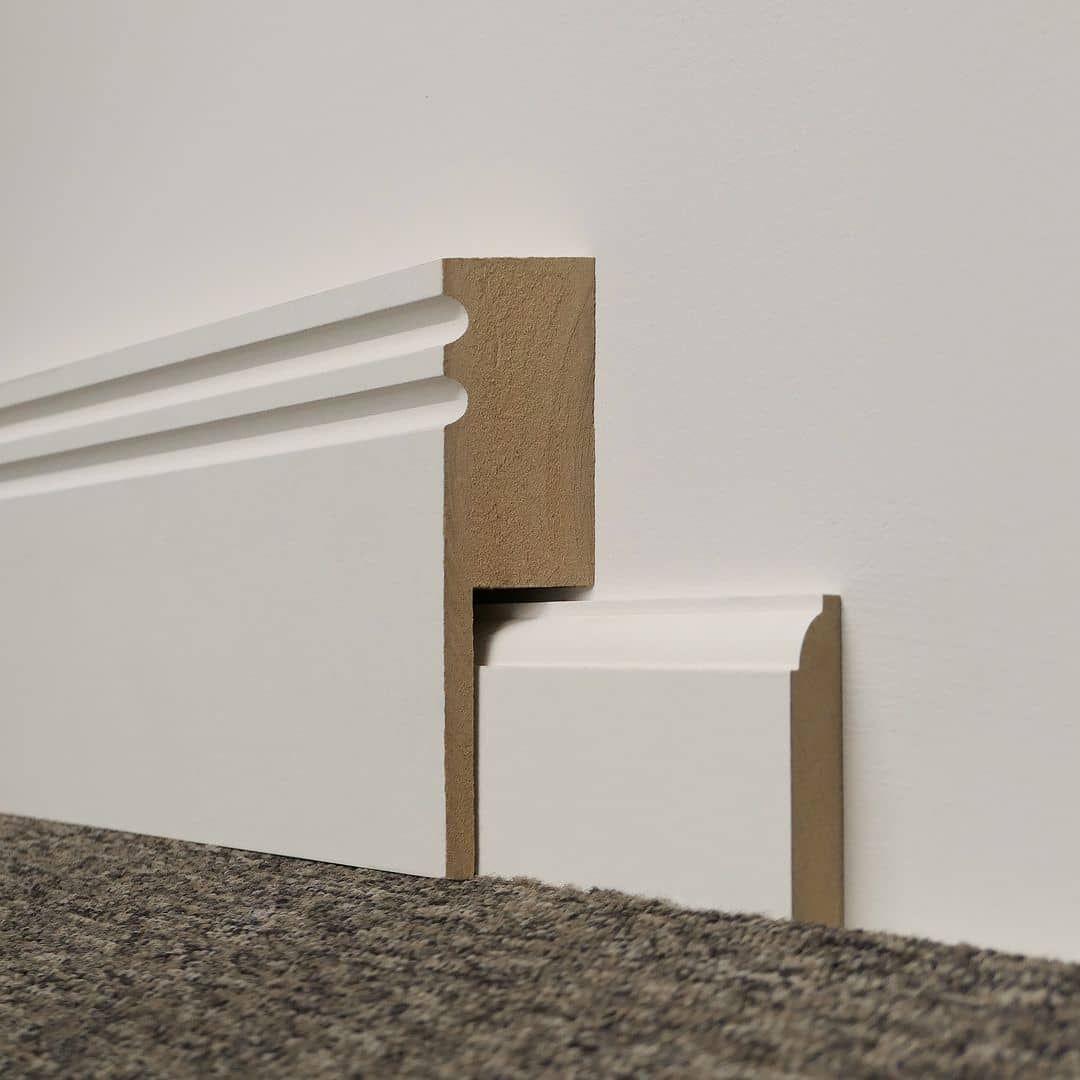
Architrave, an often-overlooked element in architecture and interior design, plays a vital role in both the esthetic and utility aspects of a space. Serving as a decorative border that frames doors, Windows, and other study features, architraves can enhance the overall invoke of a room while also fulfilling practical purposes. This clause explores the origins, types, and applications of architrave, accenting its meaning in modern plan.
The Historical Context of Architrave
The term quot;architrave quot; originates from the Greek word quot;architravus, quot; which refers to the beam that rests on top of columns in classical music architecture. In antediluvian Greek and Roman structures, the architrave was a striking sport that sense potency and stability. It was often elaborately incised, service both morphological and nonfunctional purposes.
As bailiwick styles evolved through the Renaissance and into the modern era, the construct of the architrave changed. Today, it is unremarkably used in act and commercial buildings, offer designers a way to intermix elegance with coeval functionality.
Types of Architrave
Architraves come in various styles and materials, allowing for a wide range of design possibilities. Here are a few common types:
-
Flat Architrave: This simpleton design features a flat surface with stripped-down ornament. Ideal for Bodoni and moderate interiors, flat architraves provide a strip and unobtrusive look.
-
Decorative Architrave: Often found in orthodox or flowery designs, these bullnose skirting may let in intricate carvings, flute, or other ornamental . They are hone for adding to classical or time of origin-styled homes.
-
MDF(Medium Density Fiberboard) Architrave: A cost-effective and varied choice, MDF architraves are nonclassical for their smoothen finish up and ease of picture. They can mime the appearance of wood while being more tolerable to warping.
-
Wooden Architrave: Available in various types of wood, this architrave is blest for its strength and unchanged appeal. From oak to pine, woody architraves can be painted or coloured to match the interior decoration.
-
PVC Architrave: A modern choice, PVC architraves are moisture-resistant and nonsuch for areas unerect to humidity, such as bathrooms or kitchens. They offer a slick, contemporary look with negligible sustentation.
Applications of Architrave
The use of architrave extends beyond mere ornament. Here are some key applications:
-
Framing Openings: Architraves ply a ruined look to door and window frames, creating a visible passage between different spaces. They help in shaping boundaries while adding elegance.
-
Concealing Imperfections: They can also cover gaps and imperfections between the wall and the redact, ensuring a svelte visual aspect.
-
Enhancing Architectural Style: By choosing the right architrave title, homeowners and designers can reward the bailiwick topic of a quad, whether it rsquo;s countryfied, modern, or classical music.
-
Creating Visual Interest: An intricately premeditated architrave can serve as a focal point, drawing attention to doorways and windows and adding to the overall design.
Conclusion
In termination, architrave is a vital field of study sport that combines form and function. With its rich chronicle and various styles, it cadaver an necessary element in both act and commercial message design. By thoughtfully selecting and installation architrave, one can importantly heighten the ravisher and character of any space, qualification it a upstanding consideration for any plan fancy.
nbsp;