
A perfectly tailored suit is more than just clothing—it is a personal investment, a statement of style, and a reflection of confidence. For many people, especially those who value refined fashion, bespoke suits offer unmatched elegance. But when these suits undergo changes, adjustments, or reshaping, they become more delicate.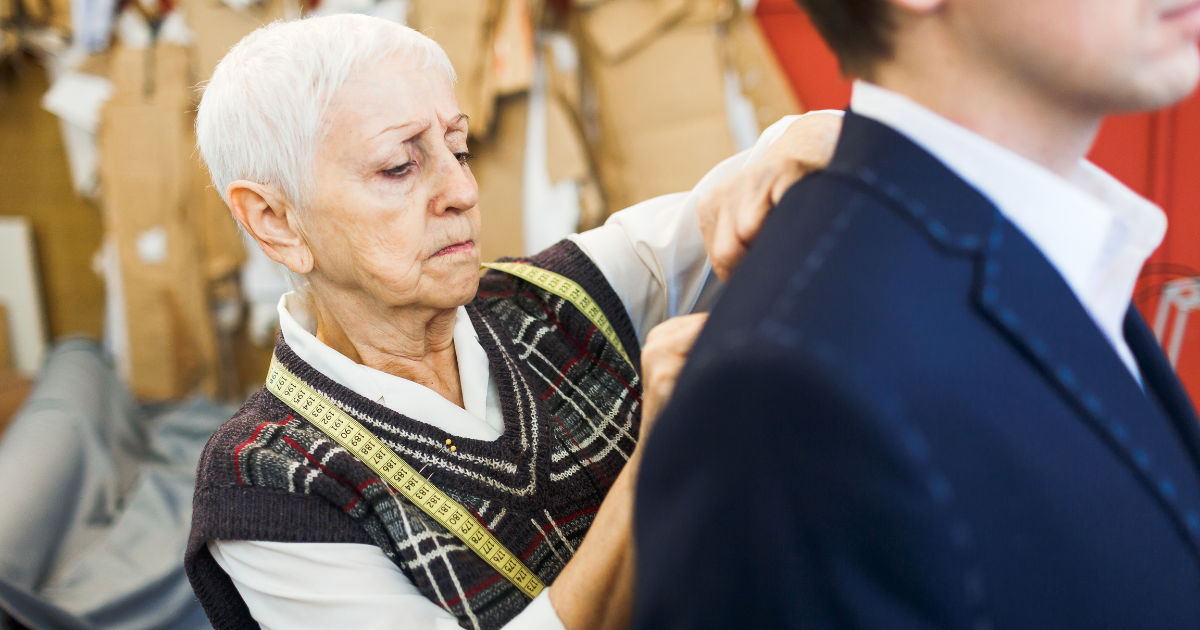
This is why altered bespoke suits need special care, whether you visit a local tailor or rely on suit alterations dubai, a service known for handling garments with precision and luxury craftsmanship.
Altered bespoke suits combine the fine structure of custom tailoring with the delicate nature of post-construction changes. That is why caring for them requires more attention than caring for off-the-rack clothing.
In this comprehensive guide, you will learn exactly why altered bespoke suits need extra care, how to maintain them properly, how to store and clean them, and how to make sure they last for many years while retaining their original shape and elegance.
<h2>Understanding the Nature of Bespoke Suits</h2> <h3>What Makes Bespoke Suits Special</h3>
Bespoke suits differ from ready-made suits in nearly every way. They are custom designed according to body measurements, posture, shoulder slope, and personal preferences. Every stitch, cut, and seam is crafted to match the wearer. Fabrics are often handpicked, and construction techniques involve traditional tailoring skills passed down through generations.
Because bespoke suits are crafted with specific tension, structure, and shaping, even small changes can affect their balance. This is why post-construction alterations require precision and why caring for an altered bespoke suit is essential.
<h3>Why Alterations Impact Suit Structure</h3>
A bespoke suit is built like architecture. The fabric, lining, interlining, canvassing, seams, and stitch tension work together to create the perfect fit. When you alter a bespoke suit, you disrupt this harmony. For example:
-
Letting out fabric changes the tension of seams.
-
Taking in fabric shifts the drape of the garment.
-
Shortening or lengthening sleeves may affect the front-back balance.
-
Adjusting shoulders modifies the suit’s foundational shape.
This delicate nature demands specialized care, which is why many people rely on experts such as suit alterations dubai to maintain the integrity of their garments.
<h2>Why Altered Bespoke Suits Need Special Care</h2> <h3>1. Alterations Change the Fabric's Original Stress Points</h3>
When a tailor builds a bespoke suit, they distribute stress across key areas—shoulders, seams, and chest panels. After alterations, these stress points shift. If the suit is not properly cared for after these changes, it may develop:
-
Unwanted stretching
-
Wrinkles that do not smooth out
-
Premature thinning of the fabric
-
Distortion at seams
Proper maintenance helps preserve the fabric even after these structural changes.
<h3>2. Post-Alteration Seams Are More Delicate</h3>
A bespoke suit’s original stitching is reinforced and balanced. However, after alterations, new stitches may not perfectly match the strength of the original. This is especially true if the alterations involve:
-
Opening old seams
-
Cutting new allowances
-
Re-shaping panels
Because these new seams are more delicate, suits need careful handling when being cleaned, steamed, folded, or pressed. High-quality services such as suit alterations dubai use advanced stitching methods to reduce this risk, but delicate handling is still necessary.
<h3>3. Alterations Reduce Fabric Allowances</h3>
Fabric allowance is the extra material left inside seams for future adjustments. Once a suit has been altered, particularly more than once, these allowances become smaller. This makes the suit:
-
Less flexible
-
More prone to tearing
-
More sensitive to pressure or snugness
Suits with limited allowances must be handled with greater caution to avoid damaging the fabric beyond repair.
<h3>4. The Suit Loses Some Original Tailor-Made Balance</h3>
Every bespoke suit is built around the wearer’s unique body structure. Alterations may correct the fit, but they can also disturb the original balance, especially when involving:
-
Shoulders
-
Chest
-
Waist suppression
-
Armholes
Because of this slight imbalance, the suit requires better care during wear and storage to preserve its shape.
<h3>5. Fine Fabrics Are Sensitive to Re-Stitching</h3>
Bespoke suits often use premium fabrics such as:
-
Super 120s–180s wool
-
Cashmere blends
-
Silk-wool mixes
These fabrics are luxurious but sensitive. Re-stitching can weaken fibers, making them more susceptible to damage. Proper cleaning, steaming, and storage become even more important afterward.
<h3>6. Altered Suits Need Gentle Cleaning Techniques</h3>
Dry cleaners who are not skilled with custom suits may apply excessive heat or strong chemicals. For altered bespoke suits, this can result in:
-
Shrinking
-
Stitch damage
-
Fading
-
Warping of delicate seams
Luxury tailoring services such as suit alterations dubai often recommend specific cleaning methods to avoid these issues.
<h2>How to Properly Care for Altered Bespoke Suits</h2> <h3>1. Handle the Suit with Extra Care</h3>
When putting on or removing the suit, be gentle around areas that were altered. Avoid pulling or yanking the fabric, especially around:
-
Shoulder seams
-
Waist seams
-
Sleeve cuffs
Small movements can prevent unnecessary stress.
<h3>2. Choose High-Quality Hangers</h3>
Using the wrong hanger can deform the suit’s structure, especially after shoulder or chest alterations. Use:
-
Wide, contoured wooden hangers
-
Hangers that match the width of your shoulders
This preserves the drape and prevents fabric stretching.
<h3>3. Steam Instead of Ironing</h3>
Ironing involves direct heat, which can:
-
Damage newly altered seams
-
Flatten fabric texture
-
Create shiny spots
Steaming helps relax fibers without harming the suit. If ironing is needed, always place a pressing cloth between the suit and the iron.
<h3>4. Rotate Your Suits</h3>
If you wear suits frequently, especially in a professional setting, rotating them is essential. Allowing each suit to rest for 24–48 hours helps the fibers recover.
<h3>5. Store the Suit Properly</h3>
Proper storage prevents unnecessary stress on altered seams. Use:
-
Breathable garment bags
-
Cedar-lined wardrobes
-
Adequate spacing to avoid wrinkles
Avoid plastic bags because they trap moisture.
<h3>6. Brush the Suit Regularly</h3>
Using a soft clothing brush helps remove dust and particles that can damage fabric fibers over time.
Brush gently following the fabric grain.
<h3>7. Protect the Suit from Moisture</h3>
Moisture can weaken stitches and warp delicate fabrics. Always:
-
Hang the suit to dry if slightly damp
-
Avoid wearing suits in heavy rain
-
Use dehumidifiers in wardrobes
<h3>8. Avoid Overstuffing Pockets</h3>
When your suit has undergone waist or hip alterations, overstuffed pockets can distort the structure. Keep pocket items minimal.
<h2>The Importance of Choosing the Right Tailor</h2> <h3>Not All Tailors Handle Bespoke Suits Well</h3>
Bespoke suits require expert tailoring skills. An inexperienced tailor may:
-
Over-cut fabric
-
Misalign panels
-
Use mismatched threads
-
Distort shoulder structure
This is why selecting experts such as suit alterations dubai is important when dealing with premium garments.
<h3>Advanced Tailoring Techniques Matter</h3>
Elite tailors understand:
-
Canvassing structure
-
Fabric behavior
-
Suit balance
-
Professional finishing
These are critical when altering bespoke suits.
<h3>Experience with Luxury Fabrics</h3>
Handling high-end materials requires experience. Skilled tailors know how to work with:
-
Soft wool
-
Structured wool
-
Cashmere
-
Silk blends
Choosing the right tailor helps preserve the integrity of your suit after alterations.
<h2>Common Alterations and How They Affect Suit Care</h2> <h3>1. Waist Adjustments</h3>
When the waist is taken in or let out, the surrounding seams become more delicate. This area requires gentle handling when wearing or storing the suit.
<h3>2. Sleeve Length Adjustments</h3>
Shortening or lengthening sleeves can affect cuff structure and lining tension. Pressing should be done carefully along the sleeve edge.
<h3>3. Shoulder Adjustments</h3>
One of the most complex alterations, shoulder adjustments affect suit balance. After this alteration, proper hanger support becomes even more important.
<h3>4. Trouser Adjustments</h3>
Adjustments to the waist, seat, or length change how the trousers fall. Proper hanging and occasional steaming help maintain shape.
<h3>5. Jacket Length Changes</h3>
Changing jacket length affects proportional balance. Extra care is needed during storage and pressing.
<h2>Mistakes to Avoid After Altering a Bespoke Suit</h2> <h3>1. Wearing It Immediately After Alterations</h3>
Allow the fabric to rest for at least 24 hours. This helps stitches settle properly.
<h3>2. Excessive Dry Cleaning</h3>
Dry cleaning chemicals can weaken altered seams. Clean only when necessary.
<h3>3. Storing in a Tight Closet</h3>
Tight spaces create unwanted creases and stress points.
<h3>4. Folding the Jacket During Travel</h3>
Use a suit carrier or gently roll the jacket to prevent seam stress.
<h3>5. Ignoring Tailor Instructions</h3>
Your tailor knows the garment’s weak points post-alteration. Follow their advice closely.
<h2>Benefits of Proper Care for Altered Bespoke Suits</h2> <h3>1. Extended Lifespan</h3>
Good care prevents wear and tear, helping the suit last longer.
<h3>2. Preserved Fit</h3>
Maintaining the suit’s structure ensures it continues to fit well even after multiple wears.
<h3>3. Enhanced Appearance</h3>
Well-maintained suits look sharper, smoother, and more refined.
<h3>4. Cost Savings</h3>
Caring for your altered bespoke suit reduces the need for repeated repairs.
<h3>5. Confidence Boost</h3>
A well-kept suit enhances personal appearance and boosts confidence.
<h2>Conclusion</h2>
Altered bespoke suits are masterpieces of craftsmanship, but they require thoughtful handling and care due to the changes made to their original structure. Every alteration—from adjusting the waist to reshaping the shoulders—affects the suit’s balance, tension, and durability. That is why it is essential to handle your altered bespoke suit with care, store it properly, clean it gently, and rely on expert services like suit alterations dubai for any future adjustments.
By understanding the fragile nature of altered seams, fabric allowances, and premium materials, you can maintain your suit’s elegance for years. A well-cared-for bespoke suit continues to represent sophistication, confidence, and timeless style—making all the effort truly worthwhile.